
Reviewed · COOKING CLASSES
Malaysian Hands-On Cooking Class : Masala Medley
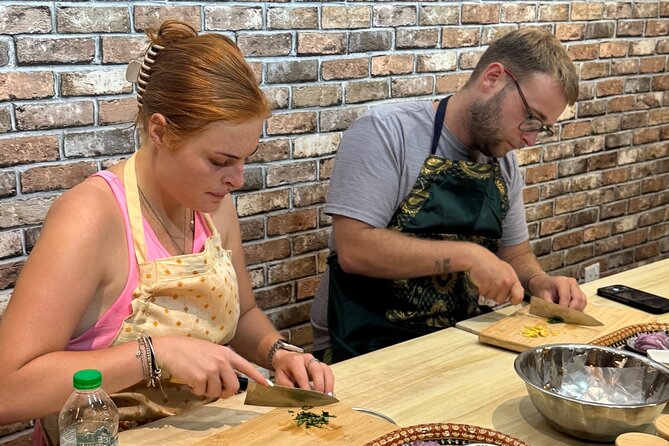
Masala Medley puts you at your own stove, not in a seat watching someone else cook. In about three hours, you prepare pakora, chicken curry, basmati rice, cucumber pachdi, kesari, and masala chai in a small studio above a local bakery. Rene leads the class, explaining how spices work as you slice, temper, stir, and taste.
I like the personal cooking stations, which let you control each step rather than simply copy a demonstration. I also like the menu: it gives you a savory snack, a full main course, a cooling side, a sweet, and a hot drink, so you learn several useful techniques in one session. The main thing to watch is timing, since one account described a session that finished in under two hours, despite the advertised three-hour length.
Key points to know before booking
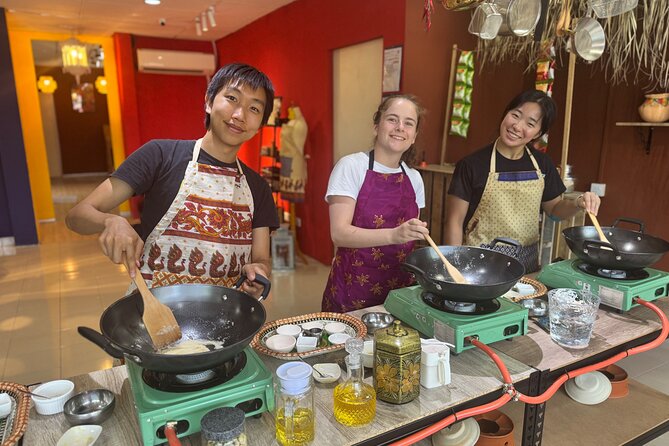
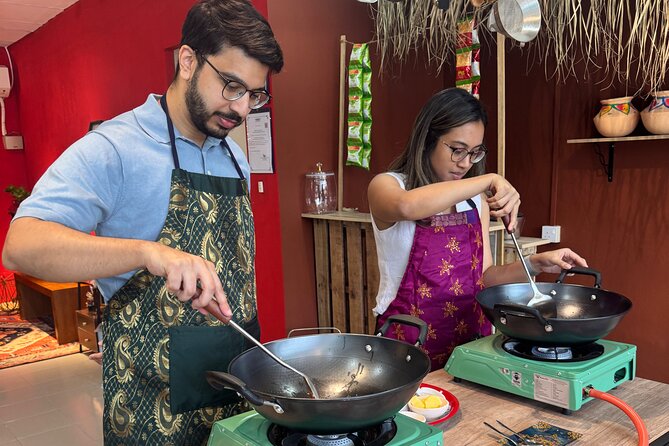
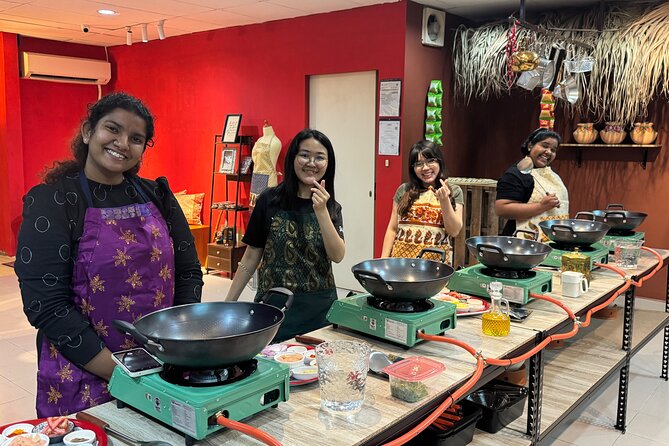
- You cook every dish yourself: Each person gets a gas stove, counter space, utensils, and cooking tools.
- The menu covers four core preparations: Make pakora, chicken curry, kesari, and masala chai, with basmati rice and cucumber pachdi served alongside the curry.
- Rene explains the spice work: You learn about aromas, seasoning, and how to temper spices instead of simply following a recipe.
- The group is capped at 12 people: That keeps the format more personal than a large demonstration class.
- The class is easy to reach: It is on Jalan Imbi in Bukit Bintang and near public transportation.
- You leave with useful takeaways: A digital recipe booklet, participation certificate, door gift, and photographs are included.
Cooking above Jalan Imbi
The class takes place at First Floor, 76A, Jalan Imbi, in Kuala Lumpur’s Bukit Bintang area. The location puts you close to public transportation and the busy center of the city, but the cooking room itself is set above a local bakery.
That setting matters. You are not being taken to a remote resort kitchen or a staged restaurant set. You arrive in a working city neighborhood, then move upstairs to a compact class space designed for practical cooking.
The room has a maximum of 12 participants. That is small enough for the instructor to keep an eye on your pan, answer questions, and help when a spice mixture needs attention. It is still a group activity, though, so do not expect a private lesson unless you book with your own party.
Your ticket is mobile, which makes arrival simple. Transport to and from the class is not included, so plan your route before you set out. Since the meeting point is in Bukit Bintang and near public transport, you can build the class into a day of exploring central Kuala Lumpur without arranging a separate transfer.
More cooking classes in Kuala Lumpur:
- LaZat Malaysian Cooking Class
★ 5.0 · 87 reviews - Malaysia Cooking Classes With Local
★ 5.0 · 87 reviews - New Malaysian Kitchen Cooking Class and Garden Tour
★ 5.0 · 54 reviews
Your own station changes the experience
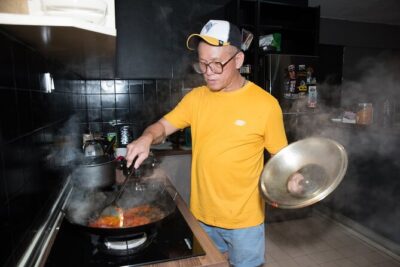
The key difference here is the format. Each person receives a gas stove, counter space, and a full set of cooking tools. You slice your own vegetables, measure spices, stir your own curry, and watch the food change under your hands.
That approach is useful for beginners. In a demonstration, it is easy to think you understand a technique until your own onions brown too quickly or your spice mixture needs more liquid. Here, you get a chance to make those small decisions yourself.
It also suits experienced home cooks who want to ask focused questions. You can pay attention to the order of ingredients, the smell of spices as they heat, and the point at which a masala changes from raw to cooked.
The class is described as a workshop rather than a demonstration, and that distinction should guide your expectations. You will be busy for much of the session. Wear something comfortable and expect to stand, work around a stove, and taste as you go.
Learning the spices before cooking
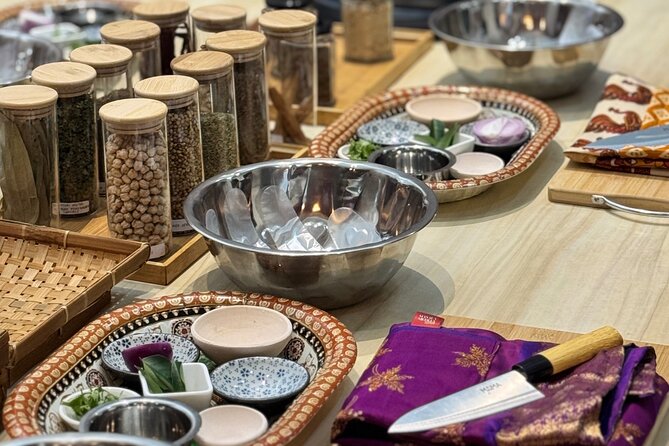
The class begins with an orientation and an introduction to the spices used in the menu. You learn how they smell, how they are used, and how they affect the finished dish.
This is one of the most valuable parts of the session. A recipe can tell you to add spices, but it often does not explain what they contribute. By handling and smelling them before cooking, you get a better feel for the difference between fragrance, heat, sweetness, and depth.
The class also focuses on tempering spices and building masalas. Tempering means heating spices in oil so their aromas come forward. It is a small technique, but it has a big effect on the final flavor. The order and timing matter, and hands-on practice makes the process easier to remember at home.
Rene is praised for explaining both cooking and the connection between Malaysian food and Indian culinary traditions. You can ask questions while working, rather than waiting for a formal lecture at the end. That makes the class feel more like a lesson in everyday cooking than a polished food show.
Pakora: a quick start with useful technique
Your first dish is pakora, a crisp vegetable fritter. It gives you an early success while introducing basic work with vegetables, seasoning, batter, and hot oil.
Pakora is also a good teaching dish because small changes affect the result. The mixture needs enough seasoning to taste lively, but it cannot become too wet. The fritter must cook through while developing a crisp outside.
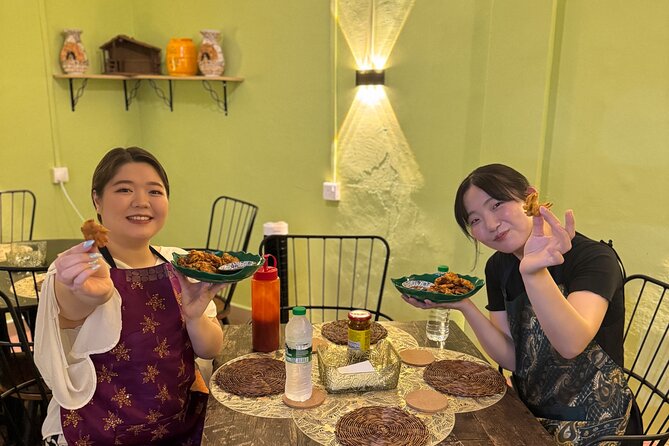
You prepare the dish yourself and eat it fresh. That timing is important. Fried food loses some of its appeal when it sits, so tasting the pakora right after cooking lets you notice its texture at its best.
This first course also breaks up the class. You are not waiting three hours for one final meal. You cook, eat, and then move on to the next stage with a better sense of how the equipment and instructions work.
More hands-on workshops in Kuala Lumpur:
- Batu Caves and Sari Experience with Batik Workshop
★ 5.0 · 181 reviews - Market Visit & Private Hands-on Cooking Class at Daun Senja
★ 5.0 · 51 reviews - Batik Coloring Workshop by myBatik
★ 5.0 · 48 reviews - Batik Bag Painting Workshop by myBatik
★ 5.0 · 35 reviews
Chicken curry from scratch
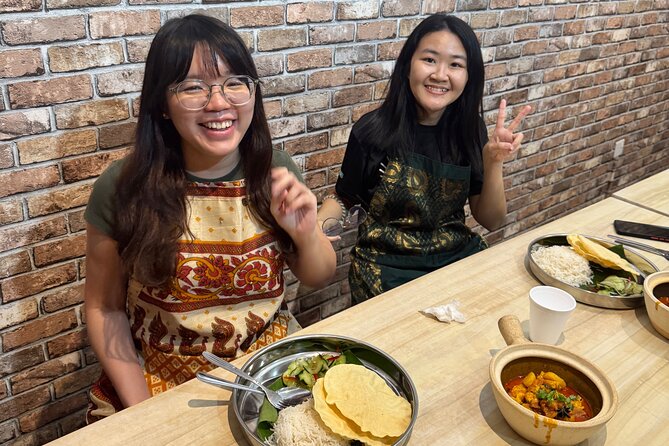
The main lesson is chicken curry, prepared with basmati rice and cucumber pachdi. The curry gives the class its central technique: building flavor in stages rather than adding everything to a pot at once.
You work through the seasoning and masala process under guidance. The point is not simply to reproduce one dish. You learn how onions, spices, and other ingredients develop into a base for curry, and why patience matters during the early cooking stages.
For a beginner, this is the part most likely to feel transferable. A curry recipe can look long on paper, but the process becomes more manageable when you understand the purpose of each step. You can also see how the same basic method might support other dishes at home.
The basmati rice provides a fragrant, simple partner for the curry. The cucumber pachdi adds a cool, refreshing element beside the warm spices. Together, the three components create a complete plate rather than a single heavy dish.
The menu is filling, which is worth noting if you are scheduling the class around other meals. You receive snacks, drinks, and the food you prepare, so this is not a light tasting session.
Kesari and masala chai finish the lesson
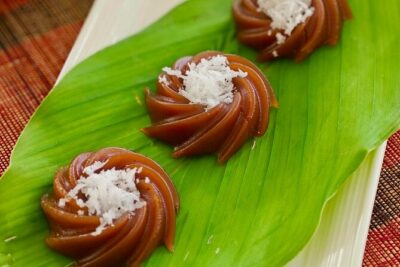
After the savory dishes, you prepare Kesari, an Indian dessert. It gives you practice with the sweet side of the meal and offers a change of pace after the curry work.
The final cooking task is masala chai made from scratch. You learn how the tea, spices, and other ingredients come together into a warm drink with a clear spice aroma.
Masala chai is a fitting finish because it brings together the class’s main theme: using spices with care. You have already handled them in savory cooking, and now you see how they can shape a drink and dessert as well.
The meal structure is one of the class’s strongest features. You cover a snack, a main dish, rice, a fresh side, dessert, and tea. That gives you more range than a class focused on one curry alone.
What the $66.99 price gets you
At $66.99 per person, Masala Medley is not the cheapest way to eat in Kuala Lumpur. Local food is often inexpensive, and you could buy a full meal for far less.
The better comparison is with other cooking workshops. Your fee includes the food, bottled water, coffee or tea, snacks, cooking equipment, a personal gas stove, instruction, a digital recipe booklet, a participation certificate, a door gift, and a photo session.
The value depends on how much you want to participate. If you mainly want lunch, the price is high. If you want a structured lesson, several dishes, personal workspace, and recipes to use later, the cost is easier to justify.
You should also consider the amount of food. Since you cook and eat several items, the class functions as both a meal and an activity. That can be good value on a busy sightseeing day, especially if you prefer an experience with a lasting takeaway rather than another restaurant stop.
One point deserves attention: the advertised duration is about three hours, but a past participant reported a session of less than two hours and felt that only one simple dish had been prepared. The provider stated that the current standard menu includes four preparations: pakora, chicken curry from scratch, Kesari, and masala chai. If the full class length is important to you, confirm the menu and expected timing before booking.
Who will enjoy this Kuala Lumpur class
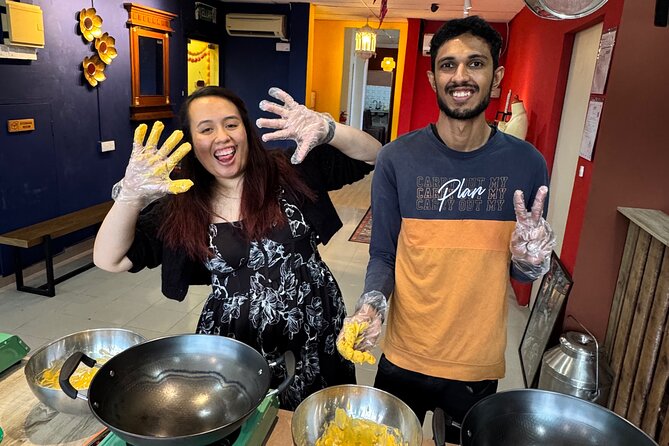
This class suits first-time cooks because the instructions are step by step and each person has a station. You do not need advanced kitchen skills to take part.
It also suits food-focused visitors who want more context than a restaurant meal provides. You learn why spices are used, how masalas are built, and how several dishes fit together as a meal.
Couples, solo visitors, and small groups can all fit the format. The maximum of 12 people keeps it social without turning it into a large production. You should be comfortable sharing the room and working alongside others, since the class is not presented as a private experience.
The class may be less suitable if you want a quiet, highly polished chef demonstration or a narrow focus on Malaysian regional food. The menu is specifically described as Malaysian home cooking with Indian influences, and the dishes lean toward familiar masala-based cooking.
It is also not the right choice for someone who wants transport included. You arrange your own journey to Jalan Imbi and return from the same meeting point.
Practical details for a smooth visit
You receive confirmation when you book, and the activity begins and ends at the same location. The end point is useful if you plan to continue exploring Bukit Bintang afterward.
Bring your mobile ticket and allow enough time to reach the first-floor studio. Since the class is near public transportation, you have a practical option besides a taxi or ride-hailing service.
Free cancellation is available if you cancel at least 24 hours before the start time. Cancellations made less than 24 hours before the activity are not refunded, and changes inside that window are not accepted.
The class includes bottled water and coffee or tea, but it is still wise to arrive ready for a hands-on session rather than a sit-down meal. You will be working at a stove and moving through several cooking steps.
Should you book Masala Medley?
I would book this class if you want to learn by doing, especially if curry, spice blends, pakora, and chai appeal to you. The personal station, small group limit, broad menu, and recipe booklet give the experience more substance than a short cooking demonstration.
I would hesitate only if your main goal is the lowest-cost meal in Kuala Lumpur, a strictly Malaysian regional menu, or a guaranteed full three-hour session without confirming the current schedule.
For most food lovers and beginners, the best reason to book is simple: you leave knowing more than the names of the dishes. You have actually handled the spices, cooked the food, eaten the results, and taken the recipes home.
FAQ
Where does the Masala Medley cooking class take place?
The class meets at First Floor, 76A, Jalan Imbi, Bukit Bintang, 55100 Kuala Lumpur, Malaysia. It takes place above a local bakery and is near public transportation.
How long does the cooking class last?
The advertised duration is approximately three hours. One past account described a session lasting less than two hours, so confirm the current schedule if the full duration matters to you.
What dishes will I cook?
The current menu includes pakora, chicken curry prepared from scratch, Kesari, and masala chai. Basmati rice and cucumber pachdi accompany the chicken curry.
Do I get my own cooking equipment?
Yes. Each participant receives a personal gas stove, counter space, and a full set of cooking tools for hands-on preparation.
Is transportation included?
No. Transport before and after the class is not included. The activity starts and ends at the Jalan Imbi meeting point.
What is the cancellation policy?
You can receive a full refund if you cancel at least 24 hours before the experience starts. Cancellations or changes made less than 24 hours before the start time are not accepted for a refund.
Just added around Kuala Lumpur
- Sunway Lagoon Ticket (One Day Pass)★ 3.5 · 5 reviews
- Transit Tour Private Tour (Ex Port Klang Cruise Centre/KLIA 1 &2)★ 5.0 · 10 reviews
- Kuala Lumpur City & Batu Caves Temple Private Tour★ 4.5 · 3 reviews
- Private Port Klang Cruise to Kuala Lumpur City Tour★ 5.0 · 3 reviews
- Genting SkyWorlds Theme Park Tickets (Optional)★ 5.0 · 5 reviews
- Full Day Melaka Private Tour from Kuala Lumpur★ 4.0 · 5 reviews
- Kuala Lumpur International Airport Transfers★ 5.0 · 4 reviews
- Kuala Lumpur Airport To Kuala Lumpur City Hotels★ 4.5 · 8 reviews
Cooking Classes, compared.
New Malaysian Kitchen Cooking Class and Garden Tour
Read our review →
Market Visit & Private Hands-on Cooking Class at Daun Senja
Read our review →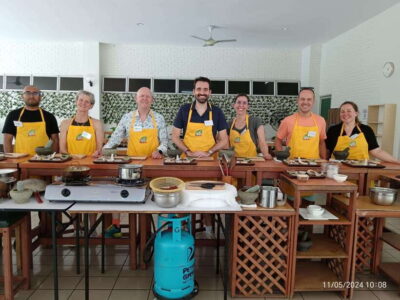
Browse the lists this tour appears in