
Reviewed · KUALA LUMPUR FOOD TOURS
Kuala Lumpur: Half Day Local Food Walking Tour
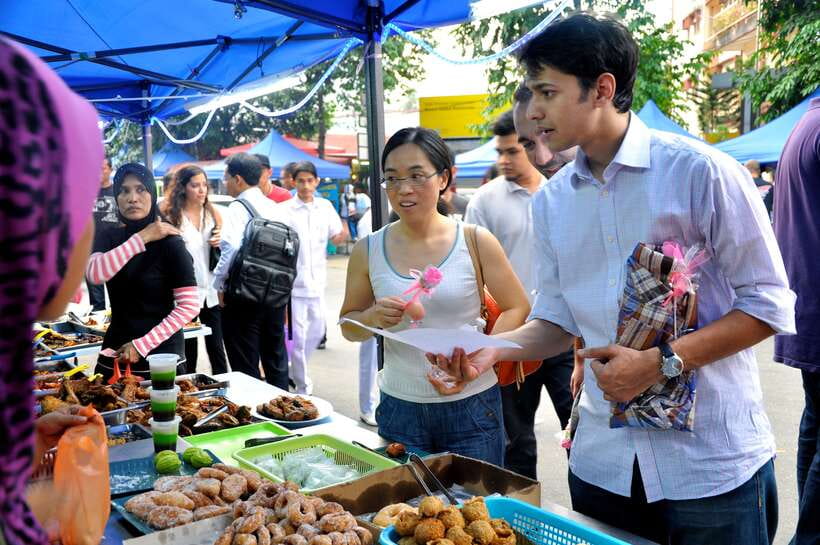
Kuala Lumpur’s best food stories are not found only in polished restaurants. They unfold around old market streets, mosque courtyards, spice-scented snack stalls, and Kampung Baru’s wooden homes. This four-hour walk connects those places while giving you a steady stream of Malay and Indian food to try.
I like the small group of no more than eight, which should make it easier to ask questions and keep track of the guide in crowded streets. I also like the balance of food and context: past guests singled out guides Farah and Kristin for making Malaysian culture, daily life, history, and eating traditions easy to understand.
The main consideration is pace. You will walk for most of the tour, spend about three hours in Kampung Baru, and need comfortable shoes. The tour is not suitable for children under 11, and the food samples are substantial enough that skipping lunch is sensible.
Key points at a glance
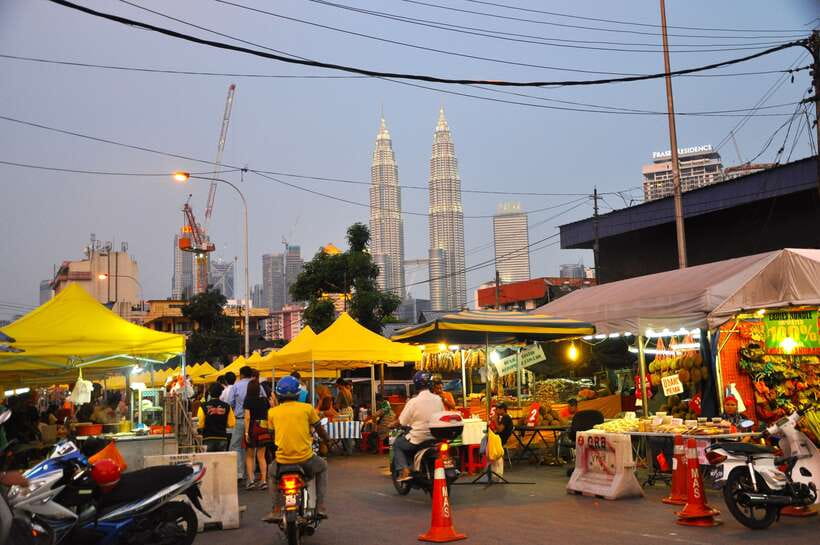
- Food across three Kuala Lumpur settings: Taste Malay and Indian foods around the Central Market area, Jalan Masjid India, and Kampung Baru.
- Masjid Jamek and the River of Life: Begin with two important city sights before the eating gets properly underway.
- Kampung Baru by local rail: Take a short LRT ride, with the ticket included, to reach Kuala Lumpur’s historic Malay village.
- Small English-speaking group: The group is limited to eight people, giving the guide room to explain dishes and answer questions.
- A generous half-day: Food is served throughout the tour, so plan to arrive hungry rather than treating this as a light snack walk.
- A tour with cultural depth: The emphasis is not only on eating, but also on Malaysian traditions, history, neighborhoods, and everyday life.
Why this food walk works better than a restaurant crawl
A restaurant crawl can give you a list of dishes. This tour gives those foods a setting.
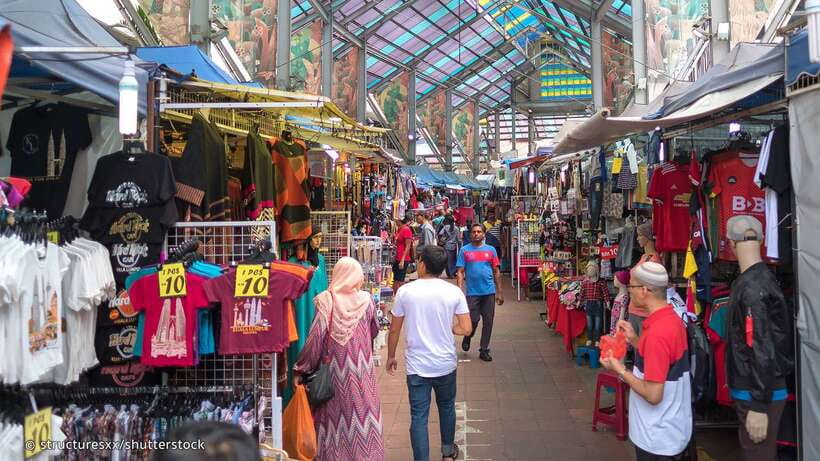
You begin near Central Market, in one of Kuala Lumpur’s oldest parts, then move through Masjid India and on to Kampung Baru. That route helps you see how different communities and periods of the city sit alongside one another. Food becomes the thread connecting them.
I especially like that the tour does not stay in one dining district. You get market activity, religious landmarks, commercial streets, public transport, and a traditional Malay neighborhood in one afternoon. That variety gives you a better feel for Kuala Lumpur than a series of air-conditioned restaurant meals would.
The food focus is also broad. You will sample halal Malay foods at the Wet Market, try local snacks around Jalan Masjid India, and taste delicacies associated with northern and eastern parts of Malaysia in Kampung Baru. Specific dishes are not fixed in the published details, so you should think of this as a guided tasting of local food traditions rather than a guaranteed dish-by-dish menu.
More food tours in Kuala Lumpur:
- Sambal Streets Kuala Lumpur Food Tour with 15+ Tastings
★ 5.0 · 2,438 reviews - Kuala Lumpur: Sambal Street Food Tour with 15+ Tastings
★ 4.9 · 1,657 reviews - The 10 Tastings of Kuala Lumpur With Locals: Private Street Food Tour
★ 5.0 · 249 reviews
Starting near Central Market and the River of Life
The meeting point is the Tourist Information and Interaction Centre beside Central Market. Finding it takes a little attention, so do not simply aim for the main Central Market entrance.
Walk along Kasturi Walk beside Central Market. At the end of the walkway, look for the alley between Central Market and the purple building. Enter the ART LANE, walk for about 30 seconds to the black staircase, go upstairs, and turn right. The center is next to a small garden and has a turquoise-colored interior.
That detailed route is useful because the meeting point is tucked away rather than sitting plainly on a main street. Arrive with enough time to find it without starting the tour flustered.
The first stop is the River of Life, where you have a short guided walk and photo stop. The visit lasts about 10 minutes, so this is an introduction rather than a long sightseeing session. It gives the guide a chance to place Kuala Lumpur’s old center in context before the tour turns toward food.
Masjid Jamek, one of the city’s key landmarks
Next comes Masjid Jamek of Kuala Lumpur, with around 20 minutes for a visit, explanation, and photographs. The mosque is an important visual marker in this part of town, and its location helps connect the old commercial center with the city’s religious and civic past.
You should expect the guide to talk about the place and its role in Kuala Lumpur rather than conduct a long formal mosque tour. Dress and behave respectfully around the mosque, as you would at any active religious site.
This stop also keeps the food walk from feeling like a string of unrelated tastings. The buildings, streets, and places of worship give the food a reason for being there. You are learning how Kuala Lumpur’s Malay, Indian, and other cultural influences meet in the city center.
Jalan Masjid India brings the spice and street energy
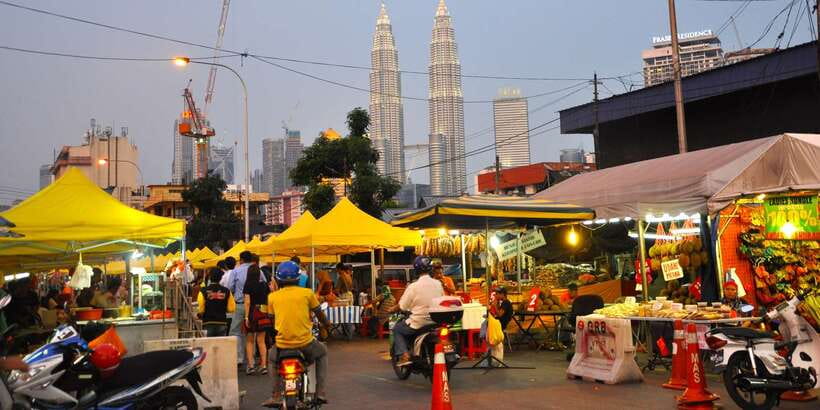
From Masjid Jamek, the route moves to Jalan Masjid India. The stop lasts about 30 minutes and includes a break, local snacks, and food tasting.
This is one of the most stimulating parts of the walk. The street is known for its Indian commercial character, and the air carries the strong smell of spices and cooked food. You will have time to pause, look around, and taste local snacks rather than simply march from one landmark to the next.
The value here is contrast. Earlier, the tour focuses on the old city center and mosque. On Jalan Masjid India, the attention shifts to Indian food traditions and a busy shopping street. You get a clearer picture of Malaysia as a meeting point of cultures, not a place with one single food identity.
The published details do not name each snack, and that is worth keeping in mind if you have a particular dish on your list. The guide chooses the tasting experience within the route, so ask questions if you want to know how a food is made, where it comes from, or how it fits into Malaysian daily life.
A completely different sort of day out of Kuala Lumpur:
- Kuala Lumpur: Batu Caves Half-Day Tour with Pick-Up Option
★ 4.5 · 4,288 reviews - Private Half-Day Batu Caves and Cutural Tour in Kuala Lumpur
★ 5.0 · 3,107 reviews - Historical Malacca Guided Day Tour (Shared Tour)
★ 5.0 · 2,172 reviews - From Kuala Lumpur: Batu Caves Cultural Temple Tour
★ 4.7 · 1,453 reviews
The short LRT ride changes the setting
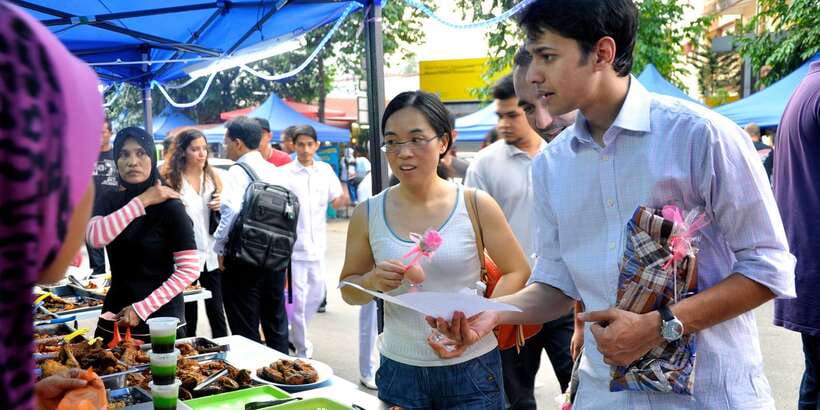
After Jalan Masjid India, you take a short train ride to Kampung Baru. The included ticket is listed as an LRT ticket, while the route description refers to a short monorail trip. Either way, this is a brief public-transport connection rather than a private vehicle transfer.
That small ride matters. It shows you how quickly Kuala Lumpur can shift from dense commercial streets to a neighborhood with a different rhythm and older building traditions. You also get a practical taste of how people move around the city.
The tour finishes in Kampung Baru, not back at Central Market. This is helpful if your hotel or next stop is easier to reach from the Kampung Baru area, but you should plan your onward route in advance because the tour does not return you to the starting point.
Kampung Baru is the heart of the afternoon
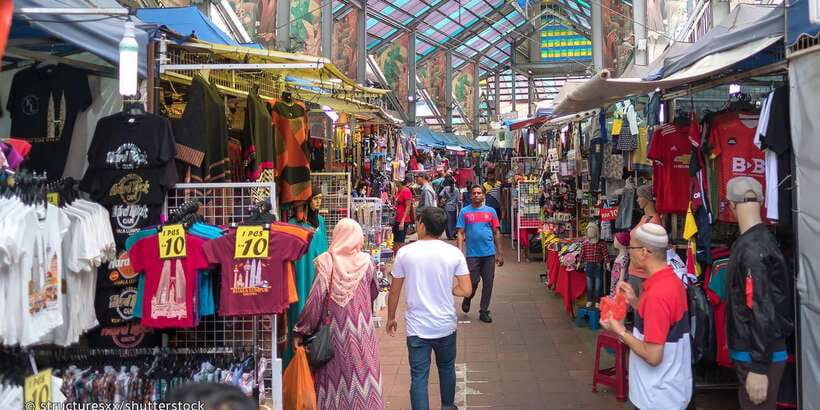
Most of the tour is spent in Kampung Baru, with about two hours and 50 minutes devoted to walking, sightseeing, market visits, and food tasting. This is where the experience earns its half-day length.
Kampung Baru means New Village in Malay, though the neighborhood was originally settled by Malay farmers in the 1890s. Its name can sound modern, but its character is tied to an older village way of life that has remained within Kuala Lumpur’s expanding city.
You will visit local markets filled with fresh produce, pass historical wooden homes, and walk along leafy lanes. The contrast with the city center is the point. Tall modern Kuala Lumpur is not far away, but the streets here offer a more local residential setting.
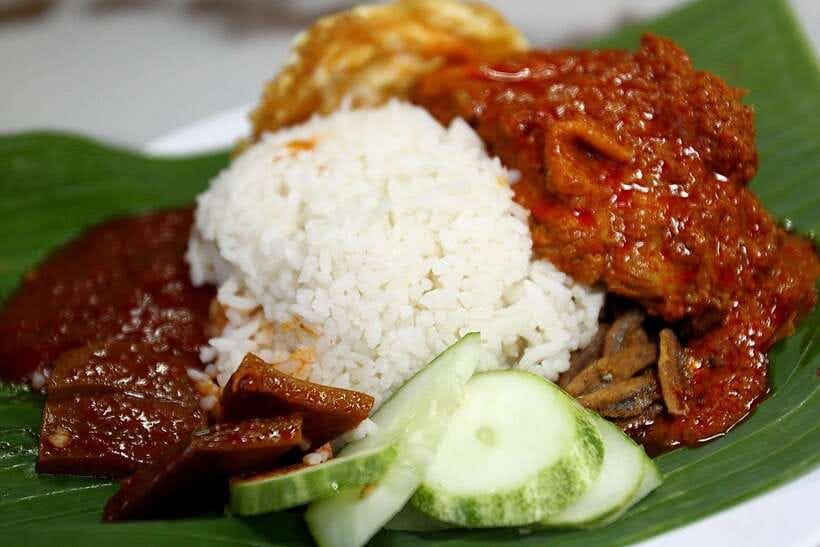
The food in this section draws from traditions associated with the north and east of Malaysia. Again, the exact dishes are not promised in advance, but you can expect a host of local delicacies rather than one final meal. The long stop allows the guide to explain what you are eating and why it belongs to this part of the country.
This is also where the tour becomes most personal. The food is tied to homes, markets, neighborhood routines, and the history of Malay settlement. A past guide named Farah was praised for showing both Malaysian and Indian food while explaining culture and everyday life. That combination is exactly what makes the Kampung Baru portion more useful than a simple market visit.
Expect enough food for more than a light lunch
Do not treat the food samples as decoration between sightseeing stops. One past booking described the portions as more than enough for two people who had skipped lunch, which gives you a useful planning clue.
Arrive hungry, but not uncomfortably so. You will be walking, standing, and tasting over several hours, so a very large meal beforehand could make the afternoon less enjoyable.
The foods are described as halal Malay offerings at the Wet Market, Indian-influenced snacks on Jalan Masjid India, and local specialties in Kampung Baru. If you have dietary restrictions beyond the halal focus, the supplied details do not explain how they are handled. Ask before booking if you need specific accommodations.
The food is best understood as a way to explore Malaysian culture. You are not paying only for calories. You are paying to have someone guide you through unfamiliar streets, explain traditions, and connect the food with the places where people buy and eat it.
How the guides shape the experience
The tour is conducted in English by a professional local guide, and the small group limit is eight. That size is one of the stronger practical features. Food walks can become frustrating when the guide is trying to speak to a large crowd beside a busy street. A group of eight should allow more conversation and easier movement.
Past guide names include Farah and Kristin. Kristin was praised for creating a fun afternoon while keeping a good balance between Kuala Lumpur history and food. Farah was praised for showing local Malay and Indian places and explaining Malaysian culture and daily life.
Another past booking described the guide as having done real research into the route and having a clear passion for the city’s history and cultures. That matters because the tour crosses several neighborhoods and food traditions. A guide who can explain the connections will make the afternoon much more rewarding than one who only points out dishes.
Guide assignments can change, so you should not book solely on the promise of one named person. Still, the repeated strengths are clear: strong cultural explanation, good food knowledge, and an ability to make the route feel like more than a checklist.
Is $60 good value?
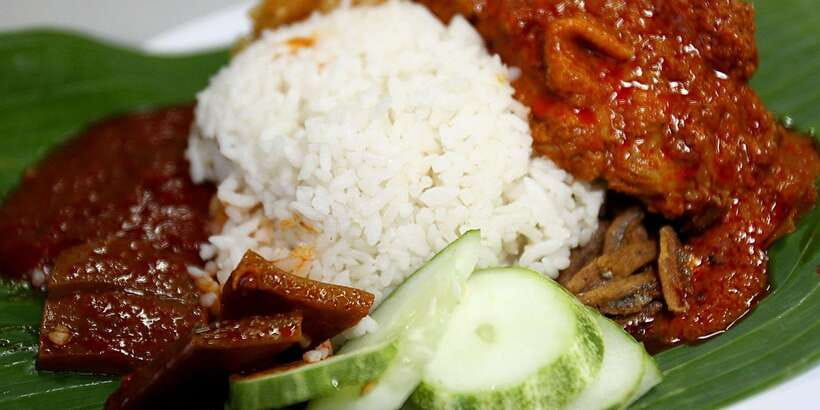
At $60 per person, this is not the cheapest way to eat in Kuala Lumpur. You could spend far less by choosing snacks independently at markets and street stalls.
The value comes from the combination. The price includes food sampling, a professional English-speaking guide, and the rail ticket to Kampung Baru. It also buys four hours of structure, local explanation, and access to a route that would be easy to shorten or misunderstand if you were exploring alone.
I would consider it good value if you are new to Kuala Lumpur, enjoy trying several foods in one sitting, or want cultural background with your meal. It is less compelling if your only goal is to eat as cheaply as possible, or if you prefer choosing every dish yourself.
The small group improves the value. With only eight places, the guide can answer questions and adjust explanations to the group. The tour also covers enough ground to make it feel like a proper introduction to the city’s food culture rather than a single-market stop.
Who should book this tour?
This suits first-time visitors who want an organized introduction to Kuala Lumpur. It also works well for people who enjoy walking and want historical sights mixed with food.
You will probably like it if you:
- Want to understand the connection between Malaysian food and local neighborhoods
- Prefer a small group to a large bus tour
- Enjoy market food, street snacks, and informal tastings
- Are curious about Malay and Indian influences in Kuala Lumpur
- Want a guide to explain daily life as well as historical places
- Can comfortably walk for four hours and eat at several stops
It may not suit young families, since children under 11 are not permitted. It is also not the best choice for someone seeking a fixed menu, a formal restaurant meal, or a short, low-walking activity.
Wear comfortable shoes. Bring your passport, or a copy of it, as requested for the activity. The tour is in English, and you should allow time to find the tucked-away meeting point beside Central Market.
My booking verdict
I would book this tour for a first or second day in Kuala Lumpur, when you still want help understanding the city. The route gives you landmarks, food, public transport, markets, and Kampung Baru in one well-shaped afternoon.
The strongest reasons to choose it are the small group, the generous food tastings, and the guide-led explanation of culture and daily life. The main tradeoff is that the exact foods are not listed, and the afternoon requires steady walking.
Book it if you want Malaysian food with context, not just a meal. Skip it if you want a cheap self-guided snack crawl or need a guaranteed menu. For many visitors, the route through Masjid India and Kampung Baru will be the part they remember longest.
FAQ
How long does the Kuala Lumpur food tour last?
The tour lasts four hours.
Where does the tour begin?
It begins at the Tourist Information and Interaction Centre beside Central Market in Kuala Lumpur.
How do I find the meeting point?
Walk along Kasturi Walk beside Central Market. At the end, enter the alley between Central Market and the purple building, continue through ART LANE for about 30 seconds, go up the black staircase, and turn right. The center is next to a small garden and has a turquoise interior.
Where does the tour finish?
The tour finishes in Kampung Baru.
Is transportation included?
Yes. An LRT ticket to Kampung Baru is included.
What language is the tour conducted in?
The live tour guide conducts the tour in English.
How many people are in the group?
The group is limited to eight participants.
Is the tour suitable for children?
No. The tour is not suitable for children below the age of 11.
More Walking Tours in Kuala Lumpur
- Kuala Lumpur Local Street Food Private Walking Tour by Night
★ 4.5 · 224 reviews - Kuala Lumpur: Nightlife Walking Tour with Local Guide
★ 5.0 · 33 reviews - Half Day Cultural And Heritage Walking Tour in Kuala Lumpur
★ 5.0 · 28 reviews - Kuala Lumpur InfoFun Walking Tour Experience
★ 5.0 · 24 reviews
Just added around Kuala Lumpur
- Sunway Lagoon Ticket (One Day Pass)★ 3.5 · 5 reviews
- Transit Tour Private Tour (Ex Port Klang Cruise Centre/KLIA 1 &2)★ 5.0 · 10 reviews
- Kuala Lumpur City & Batu Caves Temple Private Tour★ 4.5 · 3 reviews
- Private Port Klang Cruise to Kuala Lumpur City Tour★ 5.0 · 3 reviews
- Genting SkyWorlds Theme Park Tickets (Optional)★ 5.0 · 5 reviews
- Full Day Melaka Private Tour from Kuala Lumpur★ 4.0 · 5 reviews
- Kuala Lumpur International Airport Transfers★ 5.0 · 4 reviews
- Kuala Lumpur Airport To Kuala Lumpur City Hotels★ 4.5 · 8 reviews
Kuala Lumpur Food Tours, compared.
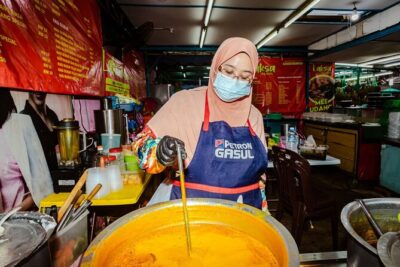
Sambal Streets Kuala Lumpur Food Tour with 15+ Tastings
Read our review →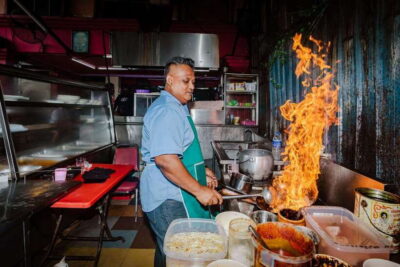
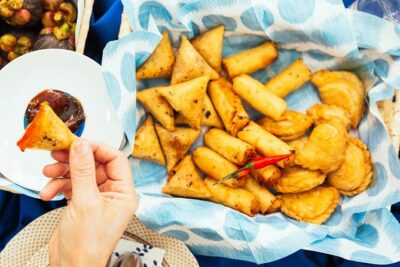
The 10 Tastings of Kuala Lumpur With Locals: Private Street Food Tour
Read our review →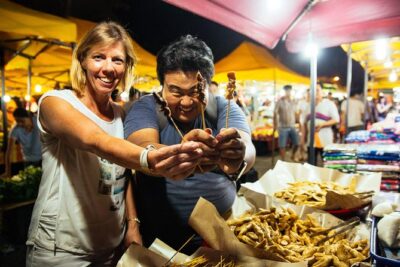
Kuala Lumpur Local Street Food Private Walking Tour by Night
Read our review →
Eat Like a Local: Kuala Lumpur Hawker Center and Street Food Tour by Night
Read our review →
Laksa Lanes Kuala Lumpur Food Tour with 14+ Tastings
Read our review →
Browse the lists this tour appears in