
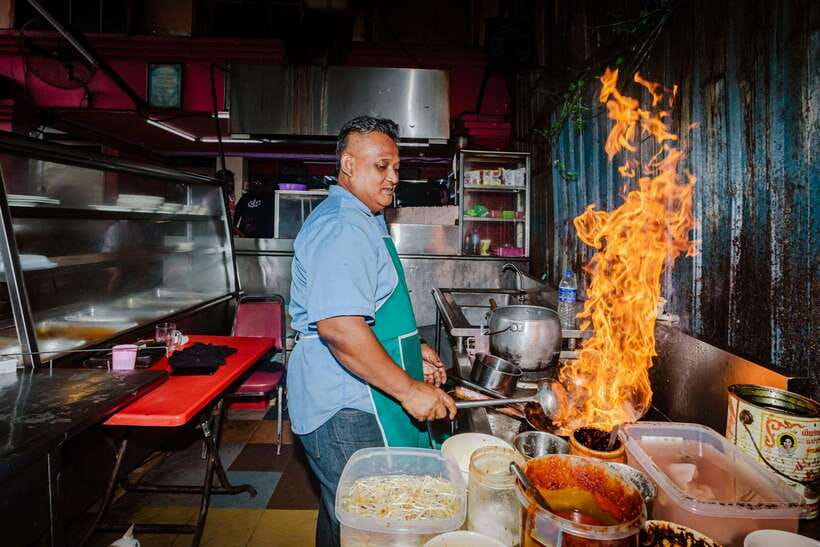
Reviewed · KUALA LUMPUR FOOD TOURS
Kuala Lumpur: Sambal Street Food Tour with 15+ Tastings
The best thing about this Kuala Lumpur food tour is its range. In four hours, you may move from roti canai and curry to grilled mackerel with sambal, nasi lemak, satay, cendol, durian, and mango shake. It is not just a meal. It is a walking introduction to Malaysia’s Malay, Indian, and Chinese food traditions.
I like the small group of eight, which gives guides such as Kiran, Nadia, Ian, and Steve room to answer questions and adjust spice levels. I also like the route through Chow Kit and Kampung Baru, two areas where you can see ordinary local life rather than spending the whole evening around Kuala Lumpur’s main tourist sights. The main drawback is simple: this is a lot of food, and some people find the final stops hard to manage.
Key points to know before booking
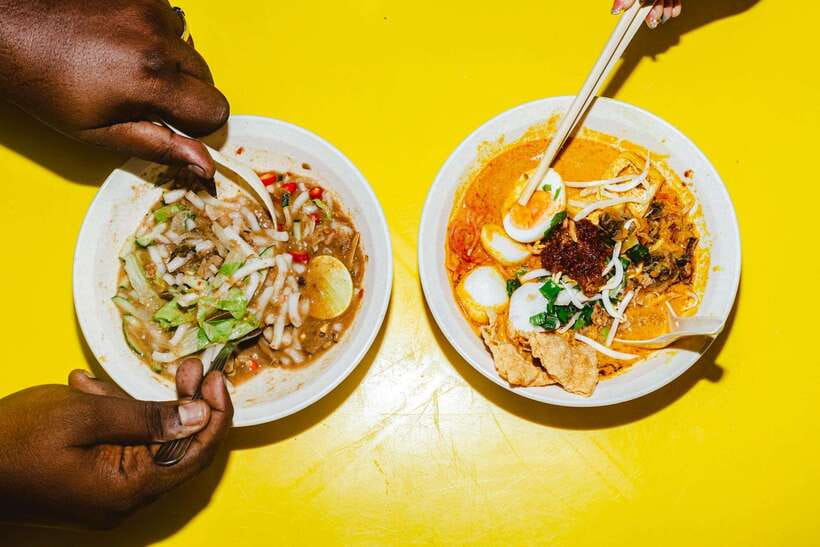
- More than 15 tastings: Expect a serious four-hour feast, not a few token samples.
- Kampung Baru and Chow Kit: The walk includes traditional neighbourhoods and local food stops away from the main tourist circuit.
- Guides set the tone: Kiran, Nadia, Ian, Steve, Sean, Sam, and Jay are among the guides praised for warmth, food knowledge, and personal attention.
- Food comes first: Come hungry and eat lightly beforehand. Several dishes are served in generous portions.
- Spice and dietary needs matter: Lactose intolerance and some other needs can be supported, but this is not suitable for vegans, vegetarians, or severe food allergies.
- Rain or shine: Bring comfortable shoes, an umbrella, and rain gear.
A four-hour introduction to Kuala Lumpur through food
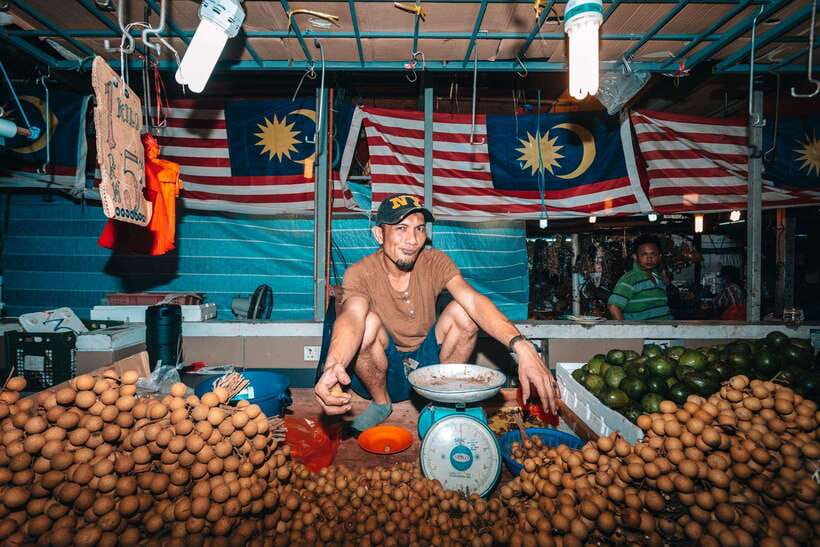
Malaysian cuisine can seem confusing at first. The names are unfamiliar, dishes overlap across ethnic traditions, and a plate that looks mild may bring a strong hit of chilli. This tour gives you a practical way into that confusion, with a local guide explaining what you are eating as you go.
The experience is limited to eight people. That size matters. At a crowded food stall, a large group can block the counter and make conversation difficult. Here, your guide can order several items, explain ingredients, check spice preferences, and keep the group moving without turning the evening into a production line.
The tone is relaxed rather than formal. You walk between stops, sit down to share food, then move on. Guides also add stories about Kuala Lumpur, Malaysian customs, and the background of particular dishes. Several guides help with photographs and directions at the end, which is a useful touch if you are still finding your way around the city.
The tour is advertised at $53 per person. That is more than you would spend if you simply bought one dish at a local stall. But the comparison is not quite fair. You are paying for more than food: a four-hour route, bottled water, local guidance, explanations, ordering help, and access to places you might not identify on your own. For a first day or two in Kuala Lumpur, the tour can also save you from spending several meals guessing at menus.
More food tours in Kuala Lumpur:
- Sambal Streets Kuala Lumpur Food Tour with 15+ Tastings
★ 5.0 · 2,438 reviews - The 10 Tastings of Kuala Lumpur With Locals: Private Street Food Tour
★ 5.0 · 249 reviews - Kuala Lumpur Local Street Food Private Walking Tour by Night
★ 4.5 · 224 reviews
Starting near the Hilton Garden Inn South
The meeting point is outside the entrance of the Hilton Garden Inn South, at the corner of Jalan Raja Alang and Jalan Tuanku Abdul Rahman. Be careful with the word South, since there is more than one Hilton Garden Inn in Kuala Lumpur.
From there, the walk leads into local food areas rather than toward the city’s most photographed towers. The route can include market sights, everyday shops, food counters, and streets where Kuala Lumpur feels more like a lived-in city than a sightseeing set.
You should wear shoes that are comfortable for four hours of walking and standing. The tour runs in rain or shine, so an umbrella and rain gear are not optional luxuries. Kuala Lumpur’s weather can change quickly, and a wet walk is much easier when you are prepared.
Meeting Malaysian ingredients at the market
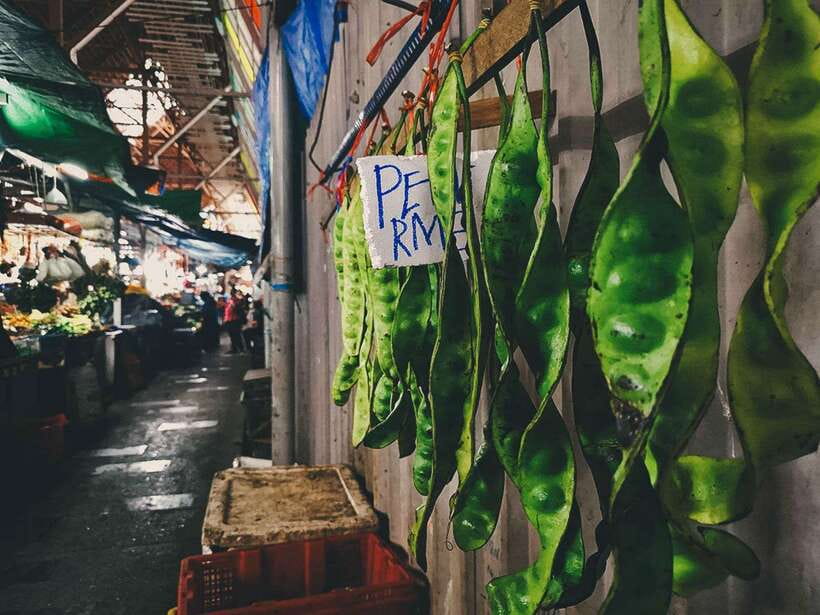
One of the most useful parts comes early, when you visit a local eatery or market area and look at the produce and ingredients used in Malaysian cooking. This gives you a visual guide to the flavours that appear later.
Your guide may explain ingredients connected with sambal, curry, coconut, rice, noodles, grilled fish, and sweet desserts. That context helps you recognise dishes later in your trip. Instead of treating each plate as an isolated mystery, you begin to see how chilli, herbs, spices, coconut milk, palm sugar, and grilled flavours fit together.
This is also where the cultural side of the tour becomes clearer. Malaysian food reflects the country’s Malay, Indian, and Chinese communities, along with influences from elsewhere in Asia. The point is not to turn dinner into a lecture. It is to show you why one neighbourhood may serve roti canai beside Malay rice dishes, and why familiar foods can appear in several local forms.
The market walk may not appeal to you if you want to sit down and eat from the first minute. I think it earns its place because it gives you a better chance of understanding what follows.
Chow Kit: local food away from the postcard route
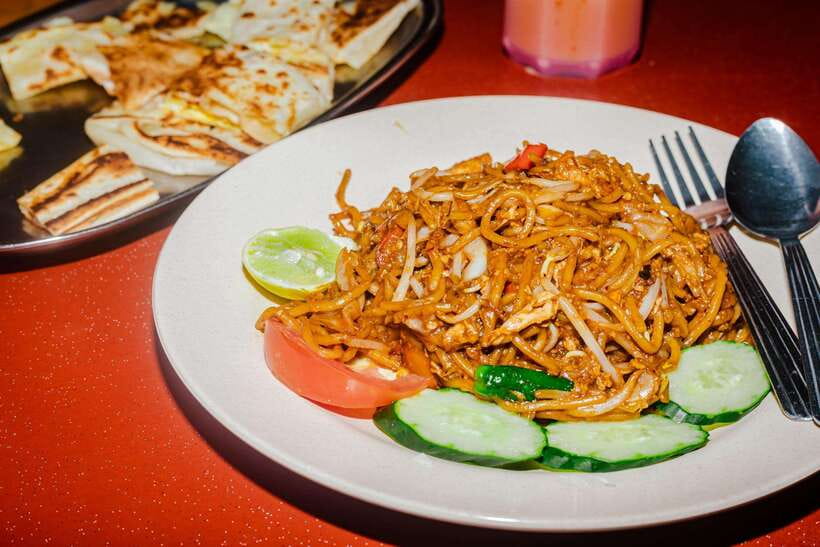
Chow Kit is one of the areas associated with the route. It is a practical choice for a food walk because it offers markets, small eateries, and a strong sense of everyday Kuala Lumpur.
You might see ingredients being sold for home cooking, local vendors preparing food, and streets that do not feel designed around sightseeing. Your guide helps you read the scene and points out what is worth trying. That guidance is valuable, especially when several stalls appear to sell similar dishes.
The tour does not promise that every dish will be your favourite. It does promise variety. You may try food with a strong chilli kick, smoky grilled flavours, rich curries, cooling desserts, and sweet drinks in the same evening. If you are cautious with heat, tell the guide clearly at the start. Guides such as Kiran, Ian, and Stephen have been especially attentive to spice levels and food intolerances.
Background noise can make explanations harder to hear in an open market. One participant suggested that a microphone or earpieces could help on a premium version of the tour. If you have hearing difficulty, stay close to your guide and ask for explanations to be repeated.
A completely different sort of day out of Kuala Lumpur:
- Kuala Lumpur: Batu Caves Half-Day Tour with Pick-Up Option
★ 4.5 · 4,288 reviews - Private Half-Day Batu Caves and Cutural Tour in Kuala Lumpur
★ 5.0 · 3,107 reviews - Historical Malacca Guided Day Tour (Shared Tour)
★ 5.0 · 2,172 reviews - From Kuala Lumpur: Batu Caves Cultural Temple Tour
★ 4.7 · 1,453 reviews
Kampung Baru and a more traditional side of KL
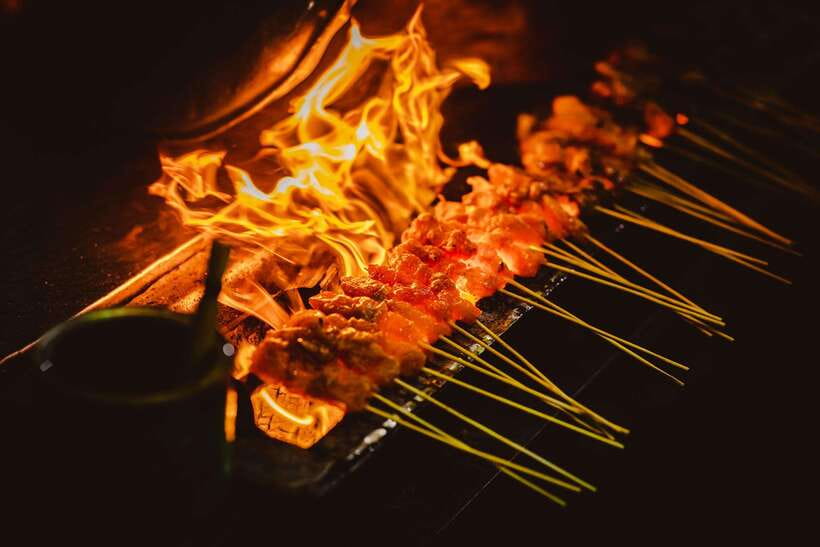
Kampung Baru is the other major area associated with the experience. It is known as one of Kuala Lumpur’s remaining traditional neighbourhoods, and the tour uses it to show a side of the city that is easy to miss between modern shopping centres and high-rise buildings.
The neighbourhood adds a useful contrast. You may see local homes, food stalls, and a community setting while the skyline remains nearby. It is a reminder that Kuala Lumpur is not only glass towers and shopping malls.
Food is central here. The evening can include stops for nasi lemak, satay, grilled fish, curries, roti, and other local favourites. The route also gives your guide a chance to explain how food connects with family meals, religious customs, migration, and local identity.
This is a good part of the tour for anyone who wants to understand the city through its neighbourhoods. You are not simply being driven to a restaurant. You are walking through places where people eat as part of ordinary life.
What you may eat, from roti canai to durian
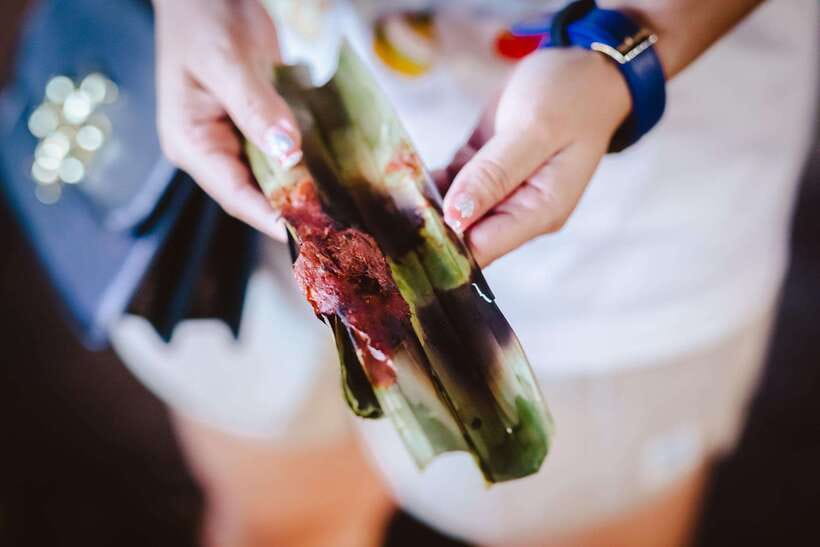
The exact sequence can change, but the range of dishes is the main reason to book. Expect more than 15 tastings, with enough food that you should treat the event as dinner.
Roti canai and curry
Roti canai is a flatbread with Indian Muslim roots. It is stretched, folded, and cooked until crisp outside and soft inside, then served with curry or another savoury accompaniment.
A particularly enjoyable part of the experience can be trying the roti-making technique yourself. You may get a chance to see or practise the flipping and stretching that make the bread so light. It is a small hands-on moment, but it helps you appreciate the work behind a dish that can look simple on the plate.
Nasi lemak
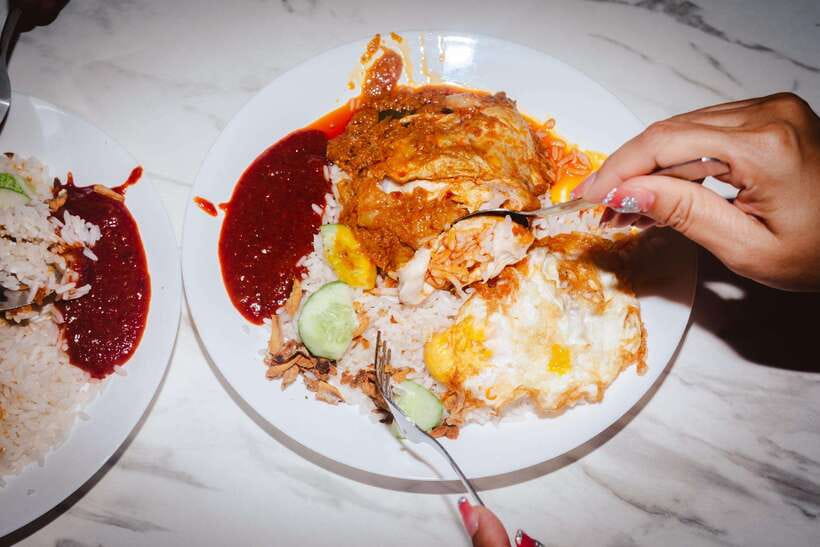
Nasi lemak is one of Malaysia’s best-known dishes. Coconut rice is paired with accompaniments that can include sambal and other savoury items. The dish shows how rice, heat, salt, and rich flavours are balanced in Malaysian cooking.
For a first-time visitor, it is useful to taste nasi lemak in a guided setting. You can ask what belongs together, how strong the sambal should be, and which parts to try first.
Satay and grilled chicken
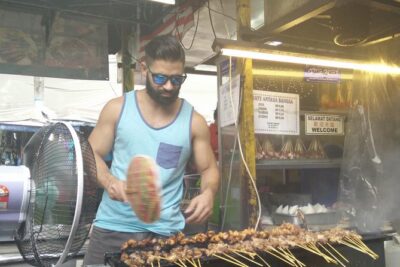
Flame-grilled chicken skewers with peanut satay bring a smoky, savoury note to the meal. They are familiar enough for cautious eaters but still distinct from the versions you may have tried elsewhere.
The satay also breaks up the heavier curries and rice dishes. That matters because the food comes steadily across four hours, and a good guide will keep the pace comfortable rather than ordering every dish at once.
Rendang and curries
Rendang is slow-cooked meat prepared with spices and a thick, deeply seasoned sauce. It is rich, so even a small portion can feel substantial.
Curries served with roti add another angle. The guide can explain the differences in texture, heat, and ingredients, helping you understand why Malaysian food does not fit into one neat category.
Banana-leaf grilled mackerel with sambal
Grilled mackerel served with sambal is one of the more distinctive dishes on the route. The fish brings a strong savoury flavour, while sambal supplies chilli and spice.
This is a stop where you should tell the guide about dietary needs before eating. A pescatarian participant received an unsuitable chicken dish at one point, but the guide arranged a replacement and checked more carefully at later stops. That example shows both the value of speaking up early and the importance of checking each plate yourself.
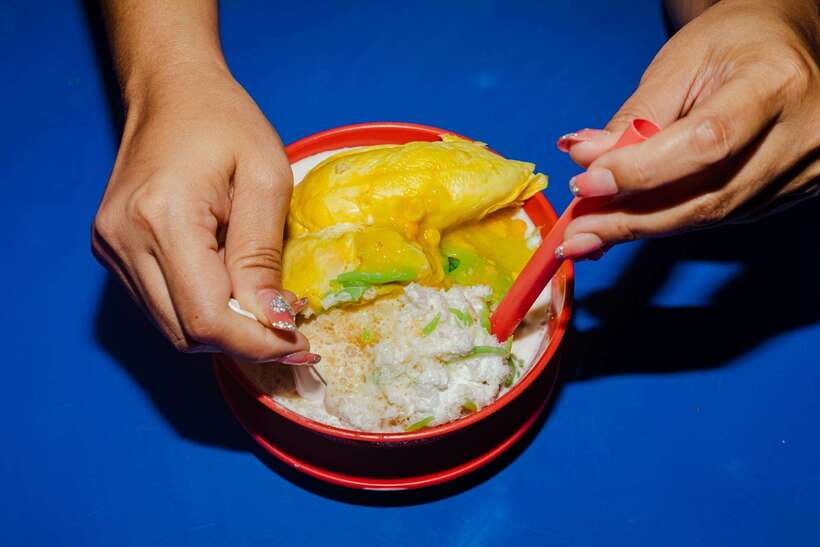
Cendol with durian
Cendol is a cooling dessert, often built around shaved ice, sweet syrup, coconut milk, and soft green rice-flour noodles. Adding durian makes it more distinctive and more divisive.
Durian has a strong smell and a creamy texture. You may love it, tolerate it, or decide one taste is enough. Either way, this is the sort of food experience that is easier to approach with a guide and a group. You get an explanation, a small taste, and a chance to discuss it without ordering an entire portion on your own.
Drinks and fruit
The tour can include drinks, seasonal fruit, and a mango shake at the end. These sweeter items provide relief after chilli and grilled food.
Do not assume the drinks are alcoholic. Alcohol is not included, and the tour rules do not allow alcohol or drugs. Bottled water is included, which is welcome in Kuala Lumpur’s heat and during a long evening of eating.
Portion size and pacing: come very hungry
The tour’s biggest strength can also be its main challenge. More than 15 tastings sounds exciting, and it is, but the total amount can leave you very full.
Most people should eat lightly before arriving. Do not turn up after a large lunch and expect to sample everything comfortably. At the same time, avoid worrying that you must finish every item. Guides can manage portions, and the group can ask for more if a dish is especially popular.
The pacing receives high marks because food is spread across the evening rather than dropped on the table all at once. That allows you to walk, talk, digest, and reset your palate. One guide also makes a point of ordering sensibly to avoid unnecessary food waste.
Still, if you have a small appetite, you may find the final dishes difficult. The tour is better suited to people who see eating as the main event and do not want a light tasting walk.
Guides who shape the experience
The guide matters a great deal here. The food itself can be good, but the evening depends on someone who can explain unfamiliar dishes, read the group, and keep stops moving.
Kiran is praised for humour, warmth, and a personal approach. Nadia is noted for her enthusiasm, care, and ability to explain ingredients and food traditions. Ian is described as energetic and attentive, while Steve and Stephen are praised for patience, food knowledge, and help with spice levels.
Sam is also singled out for answering questions, explaining cultural background, and accommodating a pescatarian. Jay is praised for a relaxed pace and for combining food information with local history.
You cannot choose a particular guide when booking unless the provider confirms one. That means the exact personality will vary. The consistent feature is the format: an English-speaking local guide leading a small group through several stops.
Dietary needs and who should skip it
The provider can support lactose intolerance and some other dietary needs if you give advance notice. Tell the activity provider exactly what you cannot eat, and explain how serious the restriction is.
This is not a good choice for vegans or vegetarians. There are few alternatives at the food stops, and meat, fish, seafood, dairy, or shared preparation may be part of the experience. It is also unsuitable for people with severe food allergies because the tour moves through informal eateries where full control over ingredients may not be possible.
For spice-sensitive eaters, the outlook is better. Guides have adjusted dishes and warned people about heat. Still, Malaysian food often includes chilli, sambal, and strong seasoning, so you should be open to some spice and speak clearly about your limits.
Is $53 good value?
At $53 per person, this is not the cheapest way to eat in Kuala Lumpur. You can find inexpensive meals at local stalls for far less.
The value comes from the breadth and the guidance. Fifteen or more tastings across several stops would be awkward to arrange alone, especially if you do not know which stalls are reliable, how to order small portions, or how to connect each dish to Malaysian culture.
The small group adds value too. With a maximum of eight people, the guide can react to the group. If a dish is too spicy, someone has a dietary issue, or one item becomes a favourite, there is room to adjust.
I would call it good value for a first-time visitor who wants one substantial food evening and a local introduction. It is less attractive if you already know Kuala Lumpur’s food scene well, have a very limited appetite, or are mainly looking for the lowest-cost dinner.
Who should book this food walk?
Book it if you want to try many Malaysian foods without spending days decoding menus. It suits adventurous eaters, couples, solo visitors, and small groups who enjoy walking and sharing dishes.
I especially recommend doing it near the start of your Kuala Lumpur stay. You will learn names, flavours, and ingredients that make later meals easier. You may also return to places such as Kampung Baru after the tour, since the route gives you enough confidence to explore again.
It is less suitable for a quiet sit-down dinner, anyone who dislikes walking in rain, and people who need strict control over every ingredient. Families with older children may enjoy the variety, but the four-hour length and large amount of food require some stamina.
Should you book the Kuala Lumpur Sambal Street Food Tour?
Yes, if food is one of your main reasons for visiting Malaysia. The combination of a maximum eight-person group, local eateries, more than 15 tastings, and a walk through Chow Kit and Kampung Baru gives you much more than a checklist of famous dishes.
Come hungry, bring rain gear, tell the guide about dietary needs, and expect a full meal spread over four hours. If you want a gentle introduction to Malaysian cooking with plenty of cultural context, the $53 price is justified. If you are vegetarian, vegan, allergic to many ingredients, or easily overwhelmed by large portions, choose a different food experience.
FAQ
How long does the Kuala Lumpur street food tour last?
The tour lasts four hours.
How many people are in the group?
The group is limited to eight participants.
How many tastings are included?
More than 15 tastings are included, along with bottled water.
What foods might I try?
Possible tastings include rendang, nasi lemak, satay, roti canai with curry, banana-leaf grilled mackerel with sambal, cendol with durian, local fruit, and mango shake.
Where does the tour meet?
Meet your guide outside the entrance of the Hilton Garden Inn South, on the corner of Jalan Raja Alang and Jalan Tuanku Abdul Rahman.
Is the tour suitable for vegetarians or vegans?
No. The tour is not suitable for vegetarians or vegans because there are few alternatives at the stops.
Can the tour accommodate dietary needs?
Lactose intolerance and some other dietary needs can be supported. Tell the activity provider about your needs when booking. The tour is not suitable for severe food allergies.
What should I bring?
Bring comfortable shoes, an umbrella, and rain gear. The tour operates rain or shine.
Just added around Kuala Lumpur
- Sunway Lagoon Ticket (One Day Pass)★ 3.5 · 5 reviews
- Transit Tour Private Tour (Ex Port Klang Cruise Centre/KLIA 1 &2)★ 5.0 · 10 reviews
- Kuala Lumpur City & Batu Caves Temple Private Tour★ 4.5 · 3 reviews
- Private Port Klang Cruise to Kuala Lumpur City Tour★ 5.0 · 3 reviews
- Full Day Melaka Private Tour from Kuala Lumpur★ 4.0 · 5 reviews
- Genting SkyWorlds Theme Park Tickets (Optional)★ 5.0 · 5 reviews
- Kuala Lumpur International Airport Transfers★ 5.0 · 4 reviews
- Kuala Lumpur Airport To Kuala Lumpur City Hotels★ 4.5 · 8 reviews
Kuala Lumpur Food Tours, compared.
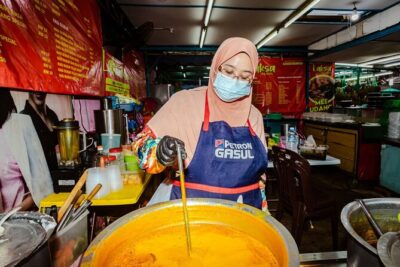
Sambal Streets Kuala Lumpur Food Tour with 15+ Tastings
Read our review →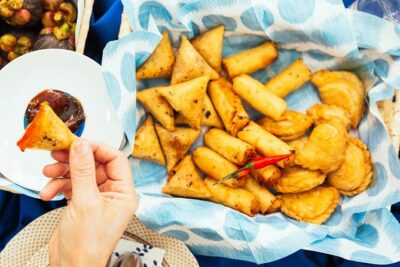
The 10 Tastings of Kuala Lumpur With Locals: Private Street Food Tour
Read our review →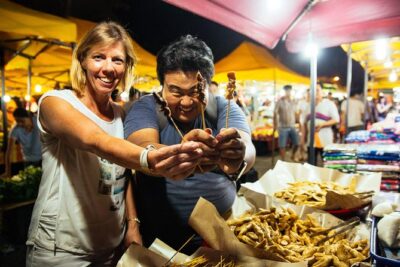
Kuala Lumpur Local Street Food Private Walking Tour by Night
Read our review →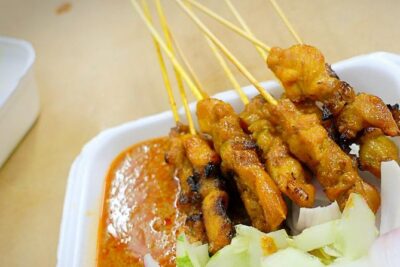
Eat Like a Local: Kuala Lumpur Hawker Center and Street Food Tour by Night
Read our review →
Laksa Lanes Kuala Lumpur Food Tour with 14+ Tastings
Read our review →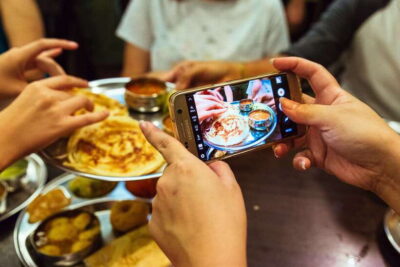
Browse the lists this tour appears in