
Reviewed · KUALA LUMPUR HERITAGE AND CULTURAL TOURS
Kuala Lumpur Heritage Walk
Kuala Lumpur’s past makes the most sense on foot, where a Taoist temple, Hindu shrine, wet market, mosque, and Indian food stop sit within a compact part of the old city. This four-hour walk ties those places together with breakfast, tastings, and stories about the tin-mining settlement that grew into Malaysia’s capital.
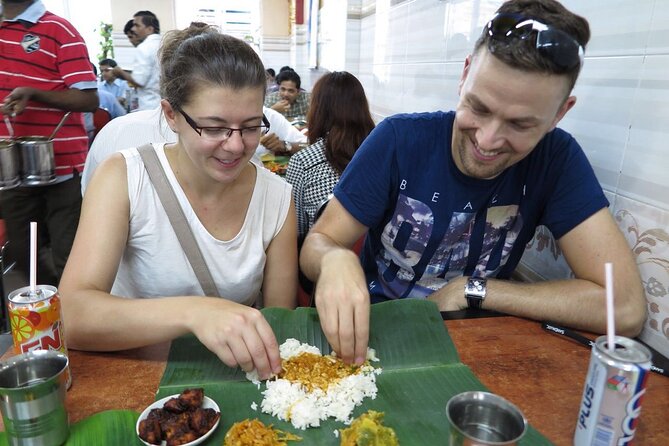
I like the small group of up to 10, which gives you room to ask questions and follow your interests. I also like the food focus: breakfast at Restoran Yusoof dan Zakhir, Chinese bites in Chinatown, and an Indian meal on Lebuh Ampang. The main caution is the heat and walking time, so you’ll want moderate fitness, comfortable shoes, and your own cap or hat.
Key points to know before you book
- The route covers several faiths: You visit Sin Sze Si Ya Temple, Sri Maha Mariamman Temple, and the area around Sultan Abdul Samad Jamek Mosque.
- Food is part of the tour: Expect Malaysian breakfast, Chinese tastings, and Indian cuisine, not just sightseeing.
- The guide shapes the experience: Sean, Winnie, and Kristin are named guides associated with warm, informative tours and hands-on cultural moments.
- You get a compact introduction: Four hours gives you a useful first look at Kuala Lumpur’s old center without taking an entire day.
- The group stays small: A maximum of 10 people makes this more personal than a large bus excursion.
- Plan for local customs: Temple visits may include lighting candles or joss sticks, and you can take part only if you wish.
Why this walk is a good first look at Kuala Lumpur
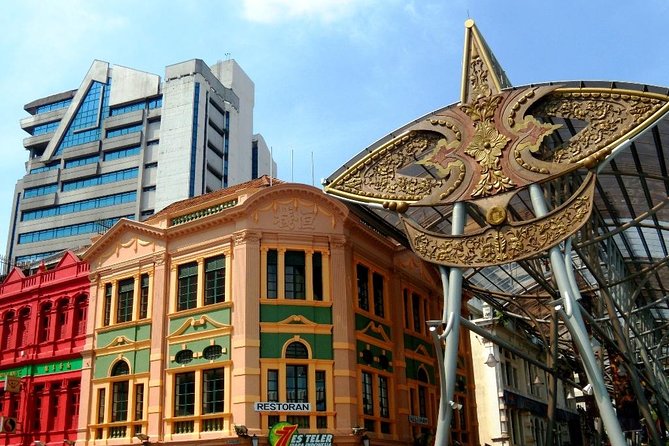
I like tours that explain how a city works instead of pointing at isolated monuments. This one follows Kuala Lumpur’s old center, where different immigrant communities built places of worship, opened food stalls, and shaped the streets around the former tin-mining settlement.
The route is especially useful if you are new to the city. Central Market, Chinatown, the temples, Jamek Mosque, and Lebuh Ampang can seem like separate stops when you visit them alone. With a guide, you get the connections between Chinese, Indian, Malay, Taoist, Hindu, and Islamic traditions.
The food gives the morning a practical rhythm. You are not simply walking from one photo stop to the next. You eat breakfast, sample local Chinese food, and stop for Indian cuisine. That makes the cultural story easier to understand because it reaches beyond buildings and into daily life.
The tour has earned a 4.6 out of 5 rating from 23 ratings, with 91 percent recommending it. The strongest praise centers on the guides, food tastings, and experiences that are easy to miss without local help. Kristin has led hands-on activities such as making roti and taking part in a Chinese temple prayer. Sean is described as friendly and full of information, while Winnie has been especially good at explaining the setting when an Indian wedding happened nearby.
More heritage walks around Kuala Lumpur:
- Historical Malacca Guided Day Tour (Shared Tour)
★ 5.0 · 2,172 reviews - From Kuala Lumpur: Batu Caves Cultural Temple Tour
★ 4.7 · 1,453 reviews - Historical Malacca Day Tour from Kuala Lumpur (Private Tour)
★ 5.0 · 515 reviews
Breakfast at Restoran Yusoof dan Zakhir
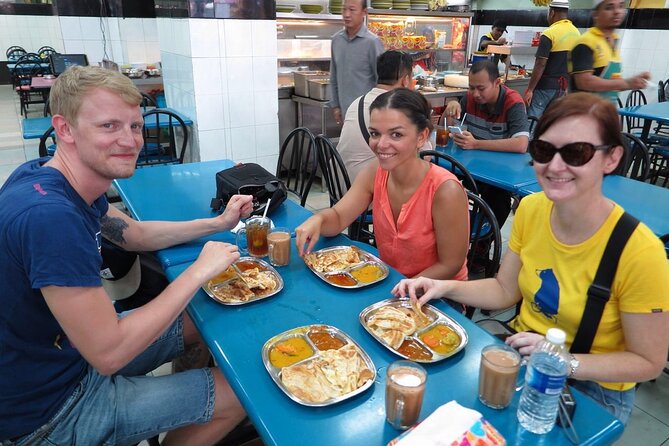
The morning begins with a Malaysian breakfast at Restoran Yusoof dan Zakhir. You have about 15 minutes here, and the meal is included as part of the food tastings.
This is a smart opening stop. Food gives you an immediate way into the city, and a local breakfast can be more revealing than a long introductory talk. It also means you start the walk with something in your stomach before heading through the markets and temples.
The short timing suggests this is a taste rather than a leisurely restaurant visit. If you want a slow breakfast or several full dishes, this is not that kind of stop. The tour is designed to offer several small food experiences across the morning.
Vegetarian food is available, but you need to request it when booking. You should also give the operator any other dietary requirements at that point. Do not wait until the morning of the tour, since the food stops are part of the planned route.
Sin Sze Si Ya Temple and the choice to take part
At Sin Sze Si Ya Temple, the guide explains Taoist culture and religious practice. The visit lasts around 15 minutes, though the listed activities are optional.
You may light candles or joss sticks and place a Goodluck Man on the wall. The wording matters here: participation is entirely at your discretion. You can observe, ask questions, and let the guide explain the meaning without taking part in the ritual.
I appreciate that the experience leaves room for personal choice. Religious sites are not props for a tour, and a good guide should explain what is happening without pushing you into a practice that is not yours. Kristin’s reported approach, which included explaining a prayer and its outcome, suggests that the activity can be more than a quick look inside a temple.
The stop is brief, so listen closely. If you have questions about Taoist customs, this is a good moment to ask them before the group moves on.
Sri Maha Mariamman Temple and Hindu traditions
The next temple visit introduces Hindu culture, religious practice, and Hindu deities. You have about 20 minutes, but the time can depend on your interest.
This is one of the route’s strongest features. You are not seeing only colonial-era civic buildings. You are also looking at living religious traditions that continue to shape Kuala Lumpur’s communities.
A temple visit calls for respectful behavior. The guide will explain the practices and the deities, while you can focus on the details that interest you most. If the group has questions, the flexible timing should allow for a little more conversation than a fixed photo stop.
The tour’s most memorable moments may come from the parts that cannot be scheduled. Winnie once helped a group make sense of an Indian wedding encountered during the walk. That does not mean you should expect a wedding, but it shows how the route can open onto real local life rather than staying sealed inside a sightseeing script.
A completely different sort of day out of Kuala Lumpur:
- Kuala Lumpur: Batu Caves Half-Day Tour with Pick-Up Option
★ 4.5 · 4,288 reviews - Private Half-Day Batu Caves and Cutural Tour in Kuala Lumpur
★ 5.0 · 3,107 reviews - Sambal Streets Kuala Lumpur Food Tour with 15+ Tastings
★ 5.0 · 2,438 reviews - Kuala Lumpur: Sambal Street Food Tour with 15+ Tastings
★ 4.9 · 1,657 reviews
Chinatown, the wet market, and local Chinese food
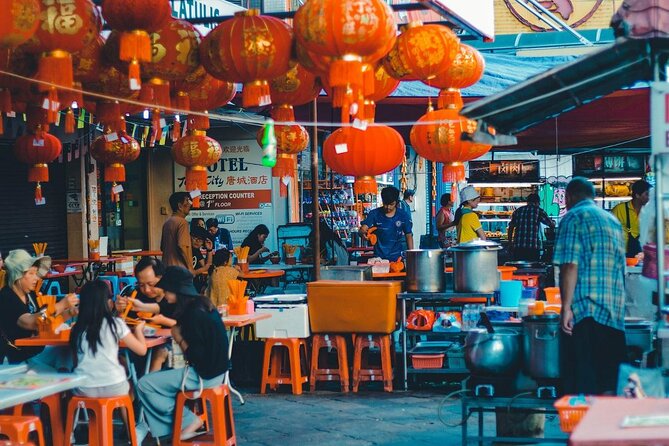
Chinatown brings the route into a more commercial setting. You walk through the neighborhood, visit a wet market, and sample Chinese food that the guide selects from local places.
The wet market is a useful counterpoint to the temples. Here, you see food culture as part of ordinary shopping and work. The stop lasts about 20 minutes, but the time may shift according to the group’s interest.
I like the fact that the food is not limited to a polished restaurant meal. Small tastings can show you flavors, textures, and habits you might not choose on your own, especially if you do not read Malay or Chinese. One previous group tried foods they would not have ordered without a guide.
This is also where the small group matters. In a group of 10 or fewer, it is easier to stay together in a market and ask what you are looking at. A larger crowd would make the stop slower and less comfortable.
Sultan Abdul Samad Jamek Mosque and Kuala Lumpur’s beginnings
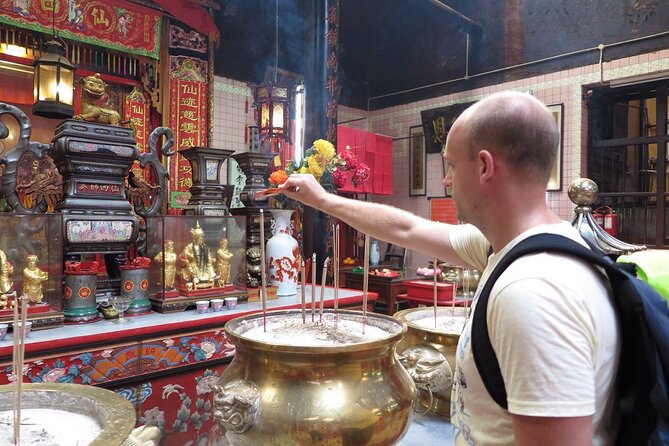
The walk then reaches Sultan Abdul Samad Jamek Mosque, where the guide explains how Kuala Lumpur began. You have about 15 minutes at this stop.
The mosque is important in the route because it shifts the focus from immigrant neighborhoods and food to the city’s wider origin story. The guide’s explanation helps place the earlier stops in context: Kuala Lumpur grew from a tin-mining settlement into a capital with several communities and faiths.
The schedule indicates an exterior or area visit rather than a long mosque tour, so you should not book this expecting an extended religious-site program. Its value is in the setting and the story tied to it.
I would pay attention here even if architecture is not your main interest. This is the point where the walk connects individual streets and communities to the growth of the city itself.
Lebuh Ampang and lunch with an Indian focus
The final major stop is Lebuh Ampang, where the guide explains the street’s earlier role before you stop for Indian cuisine. The food portion lasts about 30 minutes.
This gives the tour a satisfying finish. You have already encountered Chinese and Taoist traditions, and now the meal adds another strong part of Kuala Lumpur’s food and cultural identity. The guide can explain the street’s past while you eat, which is more useful than ending with a rushed farewell at a monument.
The half-hour timing should allow more than a quick sample, though it is still part of a walking tour rather than a long restaurant outing. If you are hungry, this stop matters. If you prefer to choose every dish yourself, remember that the meal is arranged as part of the experience.
The food stops also make the $60 price easier to assess. You are paying for a four-hour guided walk, several tastings, bottled water, and the time and local judgment needed to connect the stops. You are not paying only for entry tickets, since the temples and other sights listed here have no admission charge.
What the $60 price includes
At $60 per person, this is not the cheapest way to walk around Central Market and Chinatown. You could visit many of these places on your own for little or no admission cost.
The value comes from the structure. You get an English-speaking guide, food tastings, bottled water, cultural explanations, and a small group. The guide also helps you understand what you are seeing at places where a casual visitor might only take a photo.
There are no hotel pickup or drop-off services. You meet at the Tourist Information and Interaction Centre, or TiiC, at the Central Market Annexe, and the walk returns there at the end. That central meeting point is useful if you are already exploring the old city or arriving by public transport.
Bring a tumbler if you have one. The operator says you can refill it at the center. Caps and hats are not provided, so bring your own protection from the sun.
Pace, group size, and practical comfort
The walk lasts about four hours and requires a moderate level of fitness. You should expect standing, walking through markets and city streets, and moving between several stops. Kuala Lumpur’s heat can make a four-hour walk feel longer than the clock suggests.
Wear comfortable shoes and light clothing suitable for temple and religious-site visits. The supplied information does not set out a dress code, so you should follow the guide’s instructions at each place of worship and dress respectfully.
The group maximum is 10 people. A minimum of two people is required per booking, so solo bookers should check that the tour can run for their date. The minimum age is 11, which makes the walk a better fit for older children and teenagers than for very young children.
The start time is 9:00 a.m. That is helpful for fitting the experience into your day, though you should arrive at the stated meeting point with enough time to find the TiiC office inside the Central Market Annexe.
Confirmation is sent at booking, and passport name, number, expiry date, and country are required for all participants. Free cancellation is available if you cancel at least 24 hours before the start time. Changes or cancellations inside that window are not accepted for a refund.
Who should book this heritage walk
I would choose this tour for a first or second day in Kuala Lumpur, especially if you want food and context rather than a list of major photo stops. It suits curious eaters, visitors interested in religious traditions, and anyone who prefers a local guide to explain the city while walking.
It is also a good match for people who want a small group. Guides such as Sean, Winnie, and Kristin have been praised for being friendly, clear, and willing to make the experience interactive. The right guide can turn a short temple visit or market stop into a useful conversation.
I would think twice if you dislike walking in warm weather, need a slow pace, or want to spend long periods at each sight. The tour covers many places in four hours, so none of the stops is designed as a full museum-style visit.
Should you book the Kuala Lumpur Heritage Walk?
Book it if you want a compact, food-led introduction to Kuala Lumpur’s old center and value the explanations that connect temples, markets, streets, and the city’s beginnings. The combination of Malaysian breakfast, Chinese tastings, Indian food, and three different religious settings gives you a broad first look in one morning.
Skip it if you would rather explore independently, eat full meals at your own pace, or avoid a set walking schedule. For most first-time visitors who want help making sense of Central Market, Chinatown, and the surrounding streets, the $60 cost is reasonable because the guide and food are the main product, not paid entry to attractions.
FAQ
How long does the Kuala Lumpur Heritage Walk last?
The tour lasts approximately four hours and begins at 9:00 a.m.
Where does the tour start?
It starts at the Tourist Information and Interaction Centre, or TiiC, at Lot 02-03 Mezzanine Floor, Central Market Annexe, Jalan Hang Kasturi, City Centre, Kuala Lumpur.
Where does the tour end?
The activity ends back at the same meeting point.
Is food included?
Yes. Food tastings are included, with Malaysian breakfast, Chinese food in Chinatown, and Indian cuisine on Lebuh Ampang.
Is a vegetarian option available?
Yes. A vegetarian option is available, but you must request it when booking.
Is bottled water included?
Yes. Bottled water is included. You are asked to bring a tumbler, which you can refill at the center.
How many people can join the tour?
The maximum group size is 10 people. A minimum of two people per booking is required.
What is the minimum age?
The minimum age is 11 years.
Can I cancel for a full refund?
Yes, if you cancel at least 24 hours before the experience start time. Cancellations or changes made less than 24 hours in advance are not refunded or accepted.
More Walking Tours in Kuala Lumpur
- Kuala Lumpur Local Street Food Private Walking Tour by Night
★ 4.5 · 224 reviews - Kuala Lumpur: Nightlife Walking Tour with Local Guide
★ 5.0 · 33 reviews - Half Day Cultural And Heritage Walking Tour in Kuala Lumpur
★ 5.0 · 28 reviews - Kuala Lumpur InfoFun Walking Tour Experience
★ 5.0 · 24 reviews
Just added around Kuala Lumpur
- Sunway Lagoon Ticket (One Day Pass)★ 3.5 · 5 reviews
- Transit Tour Private Tour (Ex Port Klang Cruise Centre/KLIA 1 &2)★ 5.0 · 10 reviews
- Kuala Lumpur City & Batu Caves Temple Private Tour★ 4.5 · 3 reviews
- Private Port Klang Cruise to Kuala Lumpur City Tour★ 5.0 · 3 reviews
- Full Day Melaka Private Tour from Kuala Lumpur★ 4.0 · 5 reviews
- Genting SkyWorlds Theme Park Tickets (Optional)★ 5.0 · 5 reviews
- Kuala Lumpur International Airport Transfers★ 5.0 · 4 reviews
- Kuala Lumpur Airport To Kuala Lumpur City Hotels★ 4.5 · 8 reviews
Kuala Lumpur Heritage and Cultural Tours, compared.
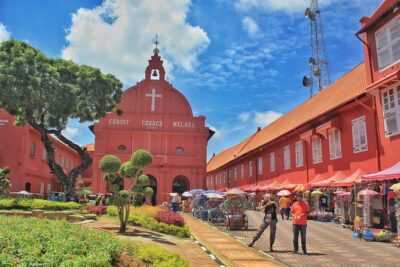
Historical Malacca Guided Day Tour (Shared Tour)
Read our review →
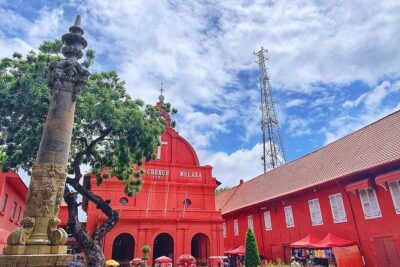
Historical Malacca Day Tour from Kuala Lumpur (Private Tour)
Read our review →
Half Day Cultural And Batu Caves Tour in Kuala Lumpur
Read our review →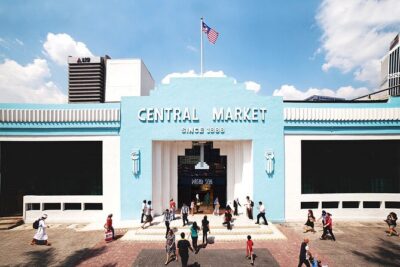
Private Half-day Batu Caves and Cultural Tour Kuala Lumpur *2026*
Read our review →
Malacca Historical Private Tour With Personal Chauffeur
Read our review →
Private Half-Day Temples and Cultural Tour in Kuala Lumpur
Read our review →Browse the lists this tour appears in